Category Archives: Nature, Science, Animals, Earth

The Secret Lives of Seahorses

Dwarf_seahorseaI’ve been dying to go to the Secret Lives of Seahorses exhibit at the Monterey Bay Aquarium.

Seahorses are such strange and romantic little things. They perform courtship dances (lasting up to 8 hours), hold tails, swim snout to snout and bond monogamously for a season.

Then to top that, the males carry and birth the babies! What gentlemen. The female deposits her eggs into his pouch, using a tube called an oviduct, where he fertilizes and incubates the fry until they are ready to swim out fully developed. The pouch provides nutrients, oxygen and regulates salinity.  The male even produces prolactin (a hormone found in pregnant women) and has contractions during the birthing process.

Pigmy SeahorseYou can find an archived webcast here of Monterey Bay Aquarium experts discussing seahorses, pipefish and sea dragons. It’s about an hour long but has some really great photos and videos.

If you’d like to aid in the conservation of one of America’s only species, you can send a note to Governor Schwarzenegger of California asking him to support legislation which will help protect marine areas. Monterey Bay Aquarium makes it easy by providing a form which can be personalized and delivered from the site.

Vodpod videos no longer available.

more about “Seahorse Multimedia | Monterey Bay Aq…“, posted with vodpod
Drink to Your Health

Still working on the Mexico posts but ran across this today and thought I’d share. It’s a 60 Minutes clip from January that talks about how red wine and calorie restriction work to extend health and life. Not that we need any more humans on this earth at one time. Fascinating nonetheless.

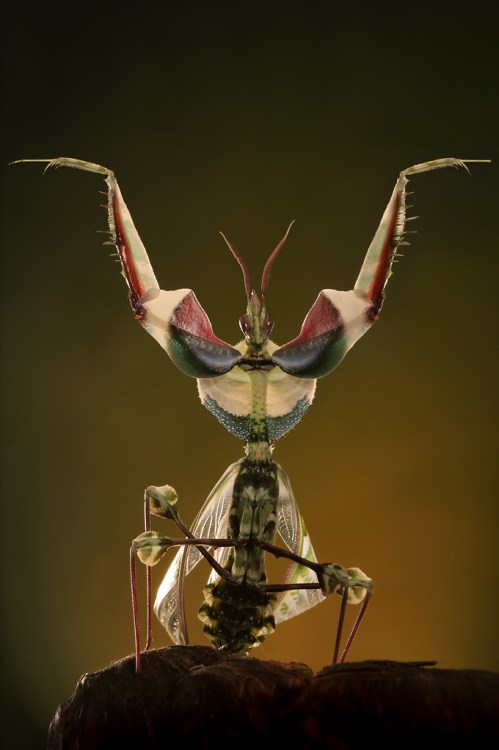
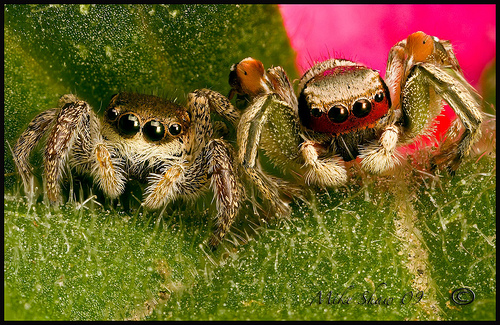
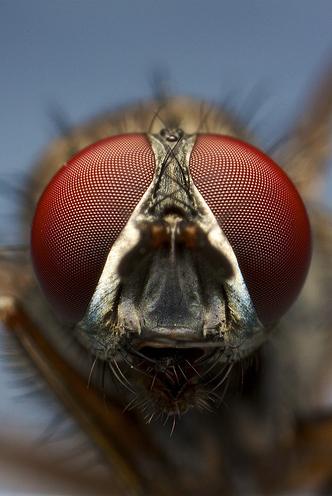
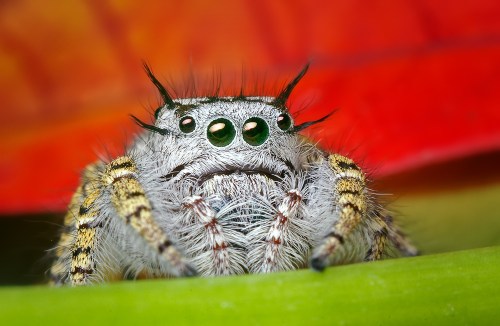
Macro Insects

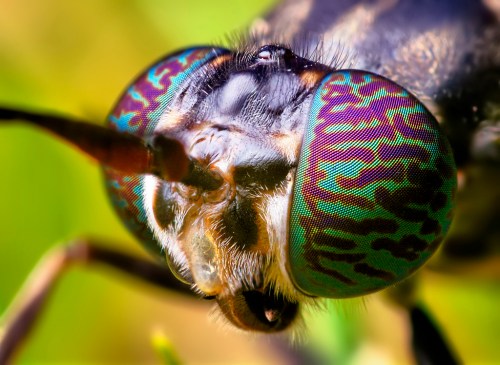
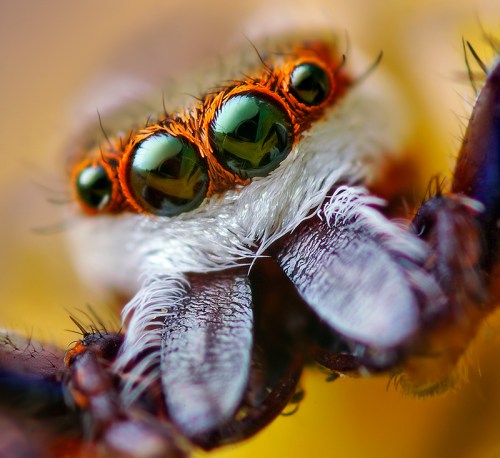
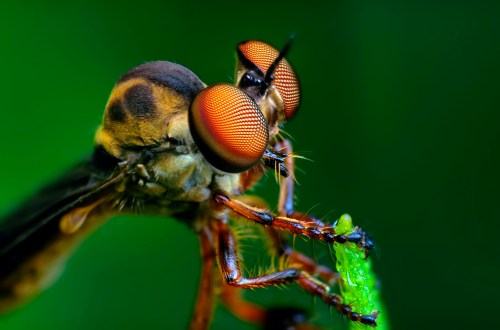
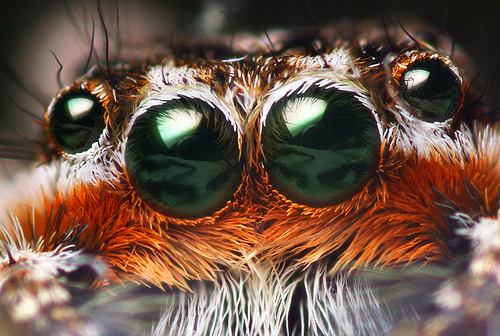
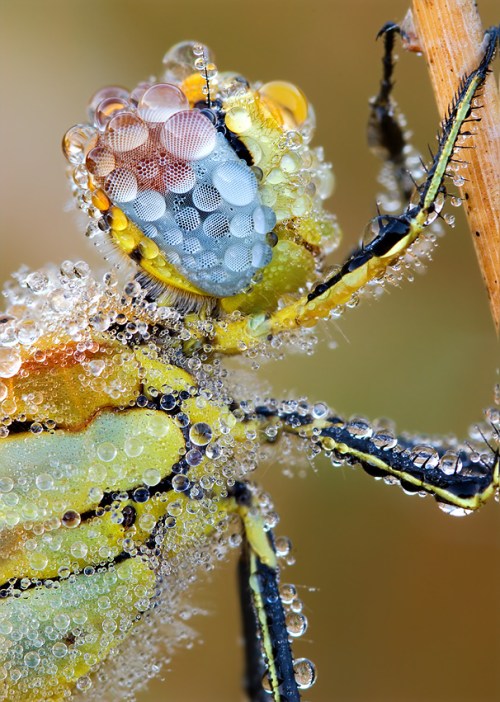
Lately I’ve been a bit obsessed with the macro-photography of insects. The world at this angle is full of strange creatures that our brains could never imagine and full of colors and textures that our big human eyeballs could never see. Here are a few of my favorites.

By Martin Ann

Photo credit: Martin Ann

By Martin Amm

Photo credit: Martin Amm

By Martin Amm (http://photo.net/photos/Martin%20Amm)

Photo credit: Martin Amm

By Igor Siwanowicz (http://photo.net/photos/siwanowicz)

Photo credit: Igor Siwanowicz

Igor Siwanowicz (http://photo.net/photos/siwanowicz)

Photo credit: Igor Siwanowicz

Igor Siwanowicz (http://photo.net/photos/siwanowicz)

Photo credit: Igor Siwanowicz

By Mike Shaw (http://www.flickr.com/photos/75899207@N00/)

Photo credit: Mike Shaw

By Mike Shaw

Photo credit: Mike Shaw

Photo credit: Opo Terser

Photo credit: Opo Terser

Photo credit: Opo Terser

Photo credit: Opo Terser

Photo credit: Opo Terser

Photo credit: Opo Terser

Photo credit: Opo Terser

Photo credit: Opo Terser

Photo credit: Opo Terser

Photo credit: Opo Terser

Photo credit: Opo Terser

Photo credit: Opo Terser

Photo credit: Opo Terser

Photo credit: Opo Terser

Beaver Mania

A few weeks ago I received Beavers: The Biggest Dam Movie You Ever Saw (IMAX) from my Netflix. Last night I was able to delve in and now I have beaver mania! At first I wasn’t sure if I liked their filming style which felt staged and overproduced. However, it was a different experience than any other nature movie I’ve seen and it allowed them to get some incredible shots. Apparently it is one of IMAX’s top grossing films ever. I recommend watching it and highly recommend watching the “Making of” portion afterward. It’ll give you a whole new insight into these impressive little creatures.

Here’s a little clip from a different production about Beavers.

The Meatrix

Considering that the poor and crowded conditions of factory farming may have contributed to the outbreak of H1N1 (swine flu), I thought it might be a good time to whip out The Meatrix.

Underwater Camo Power

I’m completely obsessed with animals that can change colors, textures and/or behaviors to camouflage themselves. Some of my favorites are the cuttlefish and the mimic octopus. Here’s a little clip from National Geographic that shows some of both. I want this as my superpower!

Steampunk Creatures of Land and Sea

les-machines-de-nantes2

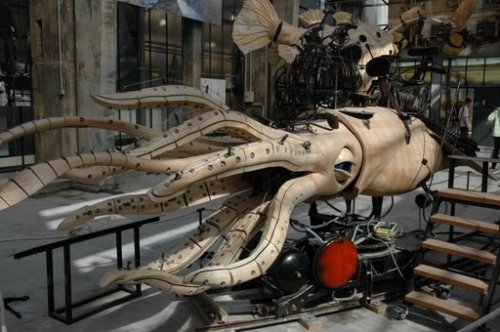
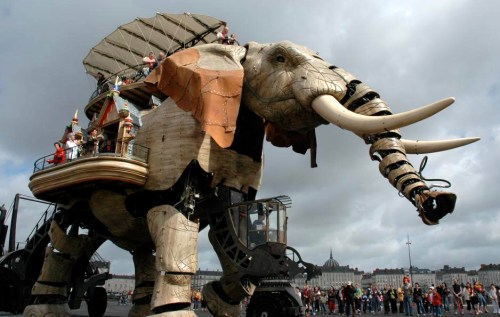
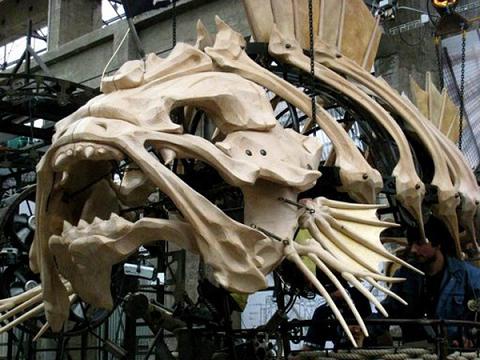
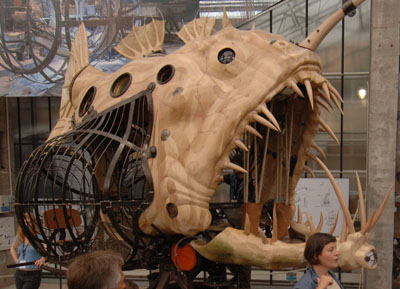
Les Machines de l’Ile is an art project located in Nantes, France. Artists François Delarozière and Pierre Orefice bring years of set building experience to the exhibit which opened in July of 2007. The first major machine is an enormous elephant weighing in at 45 tons and measuring nearly 40 feet high and 26 feet wide. Levers and pulleys allow some of the 49 passengers to control parts of the animal, including the life-like jointed trunk. Future major machine projects include a Marine Worlds Carousel (2010) and Heron Tree (2014). Other smaller projects include a squid, pirate fish, manta ray, lantern fish and more. Oh and did I mention that you can ride some of these things?! I couldn’t have imagined a more wonderful place.

les-machines-de-nantes3

les-machines-de-nantes1

les-machines-de-nantes4

Bird Watching at the Great Salt Lake

Pink Floyd, the Chilean Flamingo that escaped from the Tracy Aviary and lived a solitary life from about 1990-2005

Pink Floyd, the Chilean Flamingo that escaped from the Tracy Aviary and lived among the Gulls at The Great Salt Lake from about 1988-2005

The Great Salt Lake is one of the major bird areas in North America, giving millions of migrating waterbirds and shorebirds a resting place on their way. In addition, the Bear River Bird Refuge (located on the northeast arm of the lake) was the first national migratory bird refuge.

The Great Salt Lake Bird Festival is coming up May 14-18. You can find the field trip schedule here.

The Stop Legacy Highway site provides a month-by-month calendar identifying the different bird species and their usual arrival period. I’m pretty sure Dr. Seuss had a hand in naming a few of these birds. Phalaropes, Godwits and Dowitchers? Totally Seuss.

Birds. Birds. Birds. I just got dorkier, I know.

March

Snowy Plover

Snowy Plover

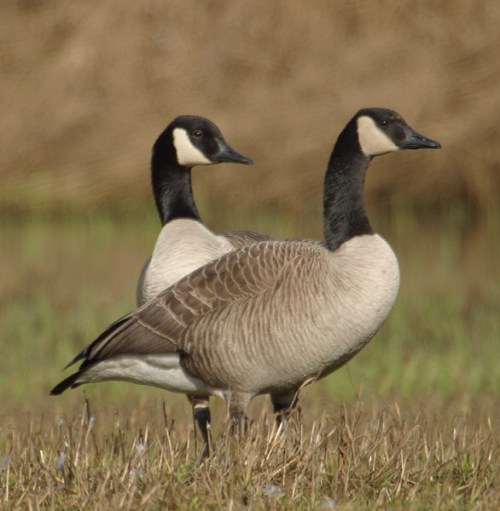
Canada Geese

Canada Geese

April

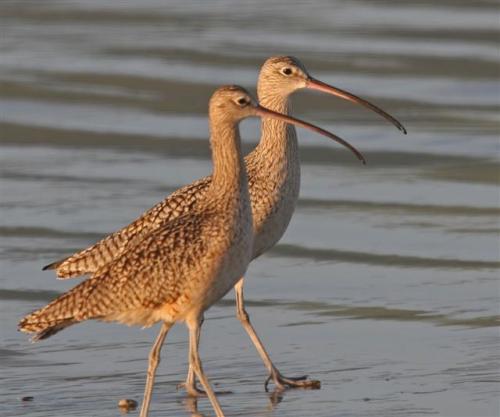
Curlew

Curlew

May

(National Wetlands Month)

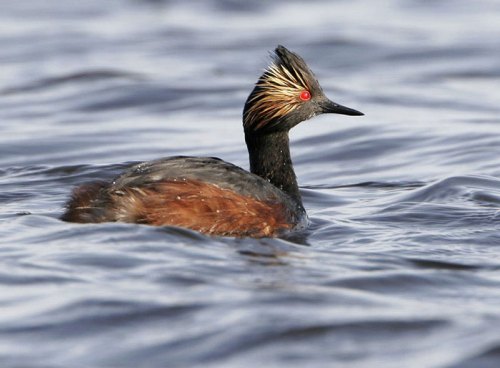
Eared Grebe

Eared Grebe

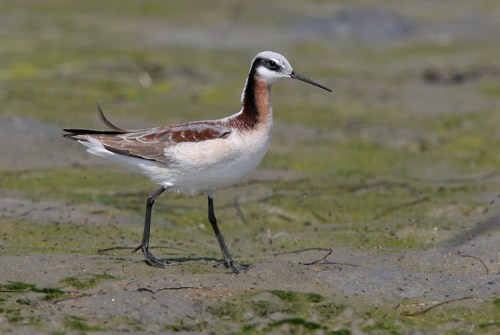
Red Necked Phalarope

Red Necked Phalarope

American Avocet

American Avocet

Black Necked Stilt

Black Necked Stilt

Willet

Willet

Marbled Godwit

Marbled Godwit

Dowitcher

Dowitcher

Yellow Headed Blackbird

Yellow Headed Blackbird

June

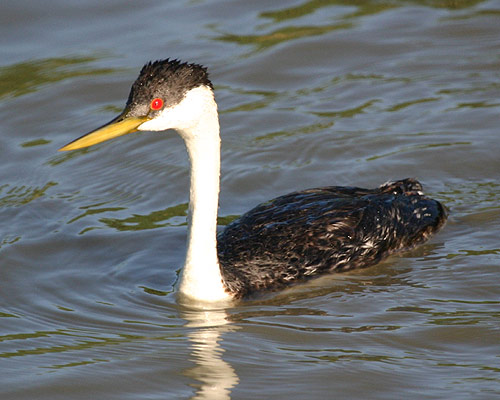
Western Grebe

Western Grebe

July

Wilson's Phalarope

Wilson's Phalarope

August & September

Snowy Egret

Snowy Egret

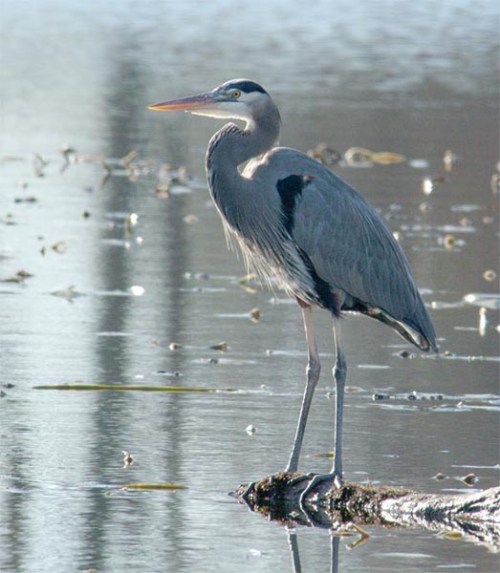
Great Blue Heron

Great Blue Heron

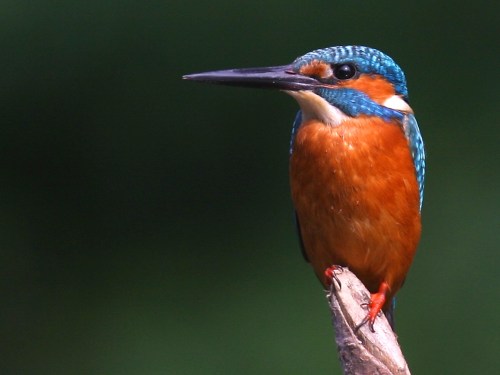
Common Kingfisher

Common Kingfisher

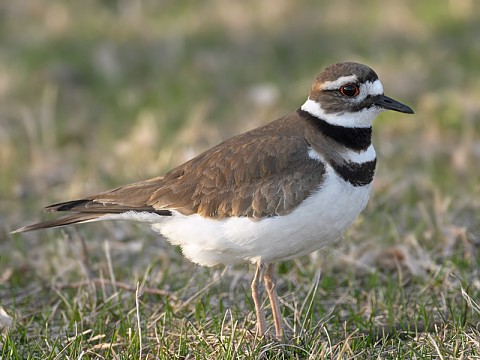
Killdeer

Killdeer

Double-Crested Cormorant

Double-Crested Cormorant

Common Tern

Common Tern

October

Golden Eagle

Golden Eagle

November

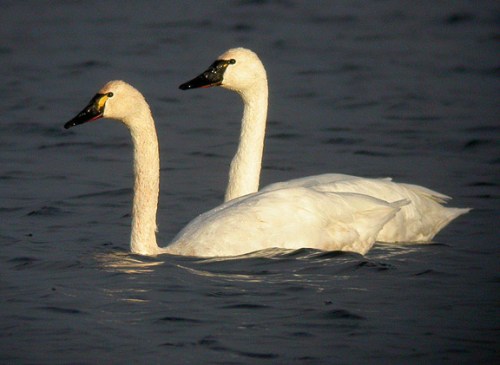
Tundra Swan

Tundra Swan

Trumpeter Swan

Trumpeter Swan (rare)

December

Bald Eagle

Bald Eagle

January & February

Northern Harrier

Northern Harrier

Rough Legged Hawk

Rough Legged Hawk

Other possible sightings

(not sure on time frame)

American White Pelican

American White Pelican

Black Tern

Black Tern

Red Headed Duck

Red Headed Duck

Sora

Sora

Burrowing Owl

Burrowing Owl

White Faced Ibis

White Faced Ibis

Transparent Frogs, OH MY!

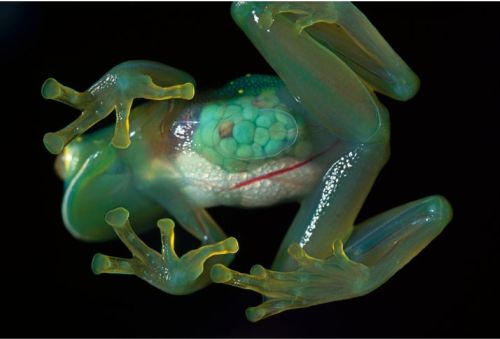
ghost-glass-frog

Glass Frog is the common name for the amphibian family Cochranella, of which there are about 60 species. In most glass frogs the skin appears as somewhat opaque lime-colored frosted glass. However, a number have transparent skin (usually on the torso) exposing such organs as the heart, liver, digestive tract and eggs (in females). Species range in size from 1.2 inches – 3.0  inches and are found in many countries including, Brazil, Argentina, Venezuela, Columbia, Bolivia, Costa Rica, Panama, Nicaragua and Mexico.

Female

Male

Nature’s not the only one creating transparent skin in frogs. In 2007, Japanese scientists genetically engineered this frog’s see-through skin, which could help to reduce the amount of dissections preformed and create more humane studies on the frogs. The scientists advise to not expect a see-through mammal anytime soon, since their skin differs so much from that of an amphibian and the current technique would not work.

scientistfrog

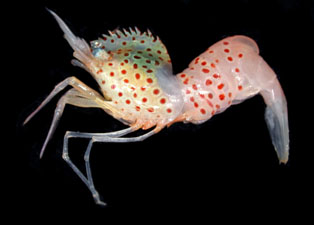
Lebbeus carmenae

Meet my friend, Shrimp.

csiro-image-of-shrimp

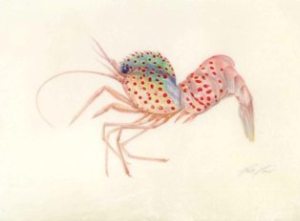
Shrimp has been hiding in the deep waters off of south western Australia, sporting polka dots and a mohawk. He only wants two things: to be 80’s punk and to acquire a rightful name.

Anna McCallum, the PhD student who discovered the new species, has opted to auction off the rights to name him. The money will be donated to the Australian Marine Conservation Society.

The cute little guy belongs to the genus Lebbeus. The species name, which the winning bidder will chose, will follow after Lebbeus and finish with a Latin ending  (“i” to signify a male is being honored or “ae” to signify a female is being honored).

Lebbeus

CLICK TO BID

As Tim Winton, an AMCS patron, states on their website:

Who wouldn’t love this spotty little bugger? Who wouldn’t want their name on it, and what kind of Australian could resist shelling out for the privilege of naming a crustacean? It’ll be a stampede, so get your bid in early and go hard.

Bidding will continue on eBay through Wednesday, April 1st.

At the time of this post, the current bid was at AU $3,050.00. I guess Mr. Winton was right!